
Top 25 Low-Carb High-Protein Dinner Recipes for Fast Weight Loss

Chef Secrets #11–18 That Transform Your Home Cooking
Welcome to Page 4! Here you’ll discover the next 8 powerful chef techniques used in professional kitchens. Each one comes with a real example + a Chef Tip to help you master it instantly.
11. Always Preheat Your Pan Properly
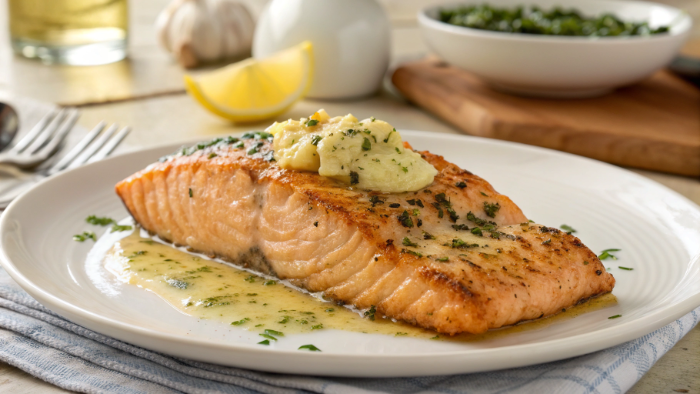
Most home cooks start cooking on a cold pan — this destroys flavor. A hot pan creates instant browning, which builds the deep, rich restaurant-style taste.
Example: When cooking chicken breasts or steak strips, preheat the pan for at least 2 minutes. The moment the meat touches the pan, you should hear a strong sizzle — this is the sound of flavor forming.
Chef Tip: Drop a tiny piece of onion — if it sizzles loudly, the pan is ready.
12. Use Butter at the End — Not the Beginning
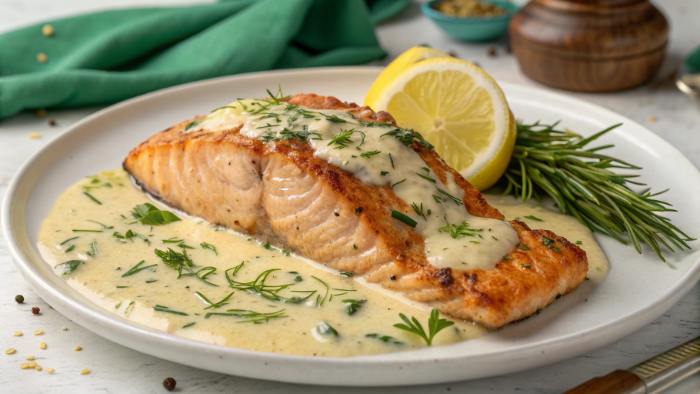
Butter burns quickly. That’s why restaurants always add it near the end of cooking to glaze meats, boost richness, and create a silky mouthfeel.
Example: Fry salmon in olive oil, then add a spoon of butter in the last minute. Tilt the pan and spoon the melted butter over the salmon. It gives a 5-star finish instantly.
Chef Tip: Add garlic with the butter only at the end — perfect aroma, zero burning.
13. Balance Your Meal with Protein, Veggies & Carbs
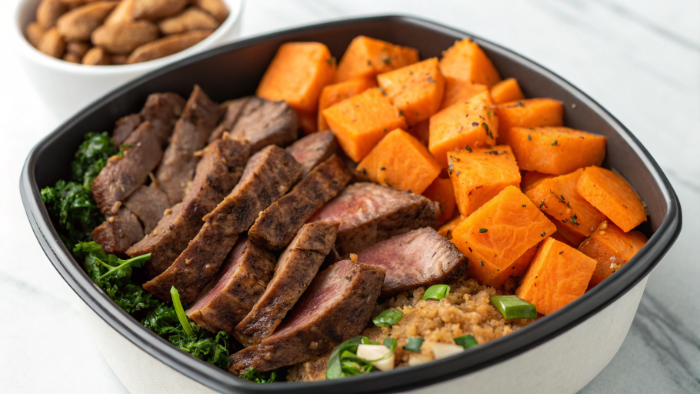
Chefs think about balance. A dish shouldn’t be all protein or all carbs — it needs color, texture, and contrast to feel satisfying.
Example: Build bowls with a lean protein (beef, chicken, tofu), roasted veggies, and a small portion of sweet potato or rice. Every bite becomes complete.
Chef Tip: More vegetables = more texture + better presentation + deeper flavor.
14. Stir-Fry Fast — And Never Overcrowd
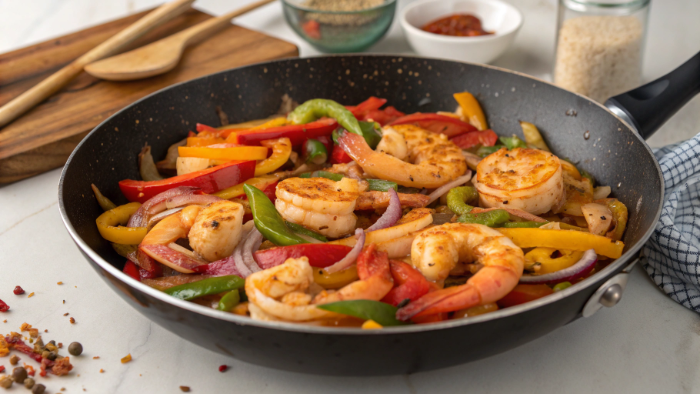
Stir-frying is all about heat. If the pan is full, the food steams instead of searing — and the bright flavors disappear.
Example: Cook shrimp first alone, remove them, then cook vegetables, and finally combine. This keeps everything crisp, juicy, and full of color.
Chef Tip: High heat = flavor. Never stir-fry on medium.
15. Add Brightness with Fresh Garnishes
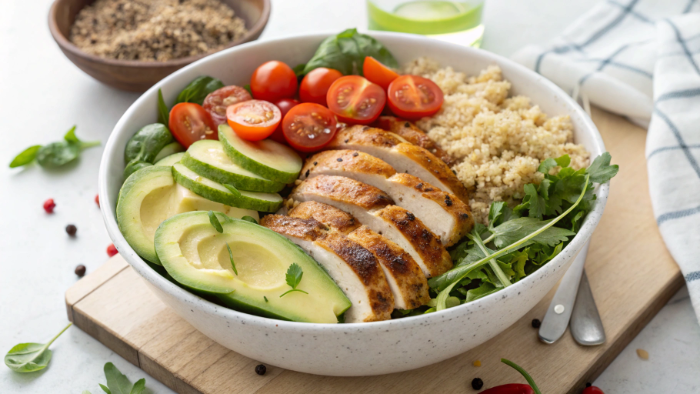
Fresh garnishes are like magic: herbs, lemon zest, or a simple salsa bring lightness and color right before serving.
Example: A protein bowl becomes ten times better with avocado, parsley, or fresh chili.
Chef Tip: Add garnishes only AFTER plating — never while cooking.
16. Keep Meat Juicy By Pairing with Moist Vegetables
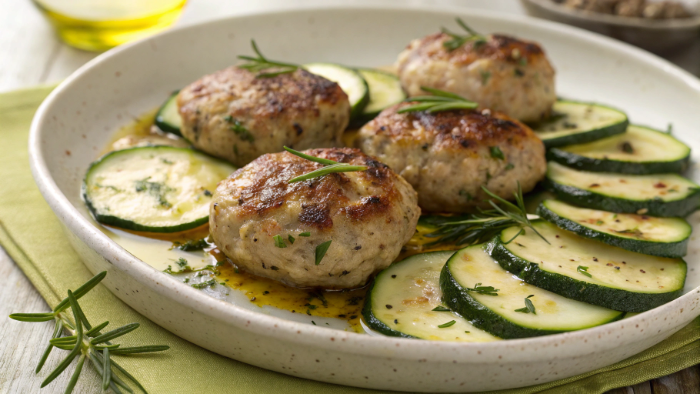
Lean proteins can dry out quickly. Chefs add moisture by pairing meats with water-rich vegetables like zucchini, tomatoes, or mushrooms.
Example: Turkey meatballs stay tender when mixed with grated zucchini — extremely effective!
Chef Tip: Moist vegetables = juicier meat, better texture, deeper flavor.
17. Season Every Layer — Not Just the End
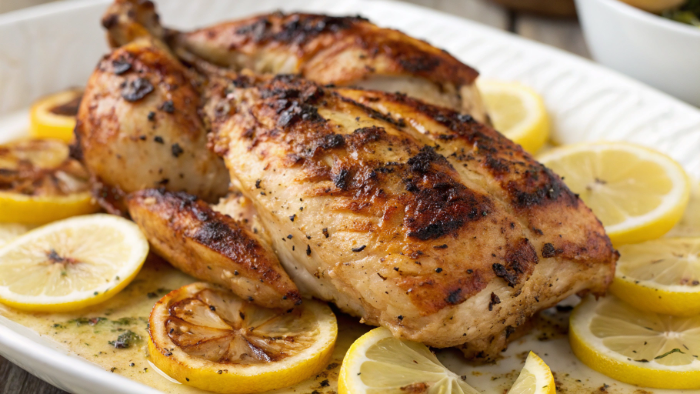
Professional chefs season every step — not just the final plate. This creates depth and balance across the whole dish.
Example: Season chicken lightly before cooking, again after searing, and once more after slicing. It tastes 5× better.
Chef Tip: Salt early for absorption — salt late for brightness.
18. Roast Vegetables for Maximum Flavor
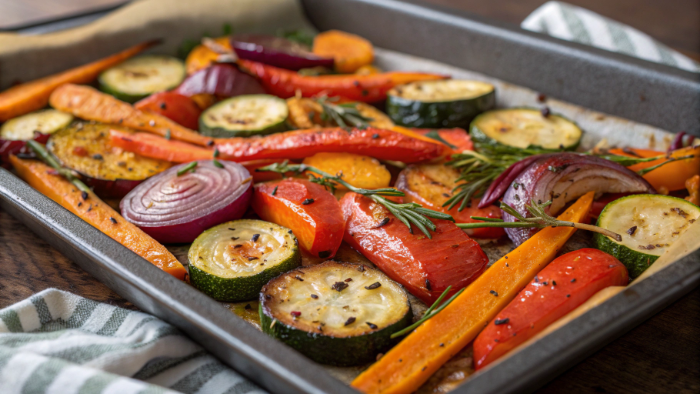
Roasting develops deep caramelization, sweet notes, and crisp edges — the kind of flavor you find only in restaurants.
Example: Toss broccoli, carrots, and peppers with oil, salt, and pepper. Roast on high heat for 20 minutes. The flavor explosion is incredible.
Chef Tip: Don’t flip veggies too early — let them brown first.

2 Comments